Online Painting School

A quiet space for learning the fundamentals of drawing and painting

Our Philosophy

We believe in the value of slow, thoughtful learning. Our approach to art education emphasizes understanding materials, developing technique, and building a foundation that grows with practice. This is not about quick results or transformation—it is about the steady work of learning to see, to understand, and to create.

Each lesson is designed to be studied at your own pace. We focus on the fundamentals: how to hold a brush, how to mix colors, how to observe light and form. These are the building blocks that support all artistic work, whether you are just beginning or returning to practice after time away.

What We Teach

Paint brushes on canvas

Drawing Fundamentals

Line, form, perspective, and composition. Learn to observe and translate what you see onto paper.

Color Theory

Understanding color relationships, mixing, and how color affects mood and composition in your work.

Watercolor Techniques

Wet-on-wet, glazing, and layering. Explore the transparency and flow of water-based paints.

Oil Painting Basics

Working with oils, brush techniques, and the traditional methods of building a painting.

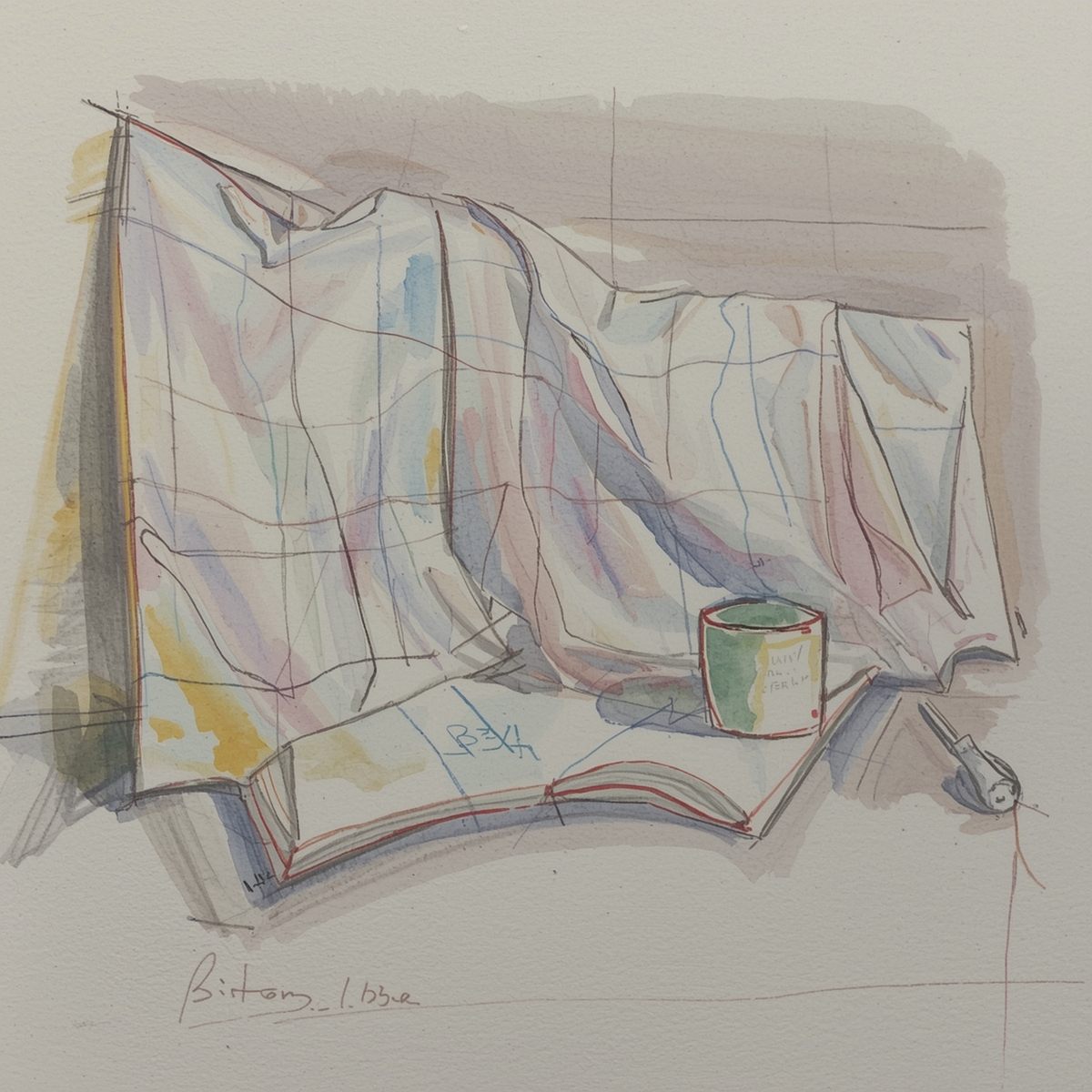
Still Life Studies

Arranging objects, understanding light, and practicing observation through structured exercises.

Material Knowledge

Understanding papers, canvases, brushes, and paints—what to choose and why it matters.
Painting Techniques

Painting in progress on canvas

Underpainting

Establishing the foundation of your composition with a monochromatic base layer. This technique helps define values and composition before adding color.

Glazing

Applying thin, transparent layers of paint to build depth and richness. This method allows light to pass through layers, creating luminous effects.

Wet-on-Wet

Working with paint on a wet surface to create soft blends and transitions. Particularly effective in watercolor and acrylic painting.

Dry Brush

Using minimal paint on a brush to create texture and fine details. This technique adds visual interest and surface variation.

Online Learning Format

How We Teach

  • Pre-recorded video lessons you can watch at your own pace
  • Live sessions for questions and discussion
  • Practice exercises with detailed instructions
  • Material lists and preparation guides
  • Access to lesson recordings for review

What You Need

  • A quiet space to work
  • Basic materials as specified for each lesson
  • Time to practice between sessions
  • A device with internet connection for video access

Materials & Tools

Art supplies and materials arranged on table

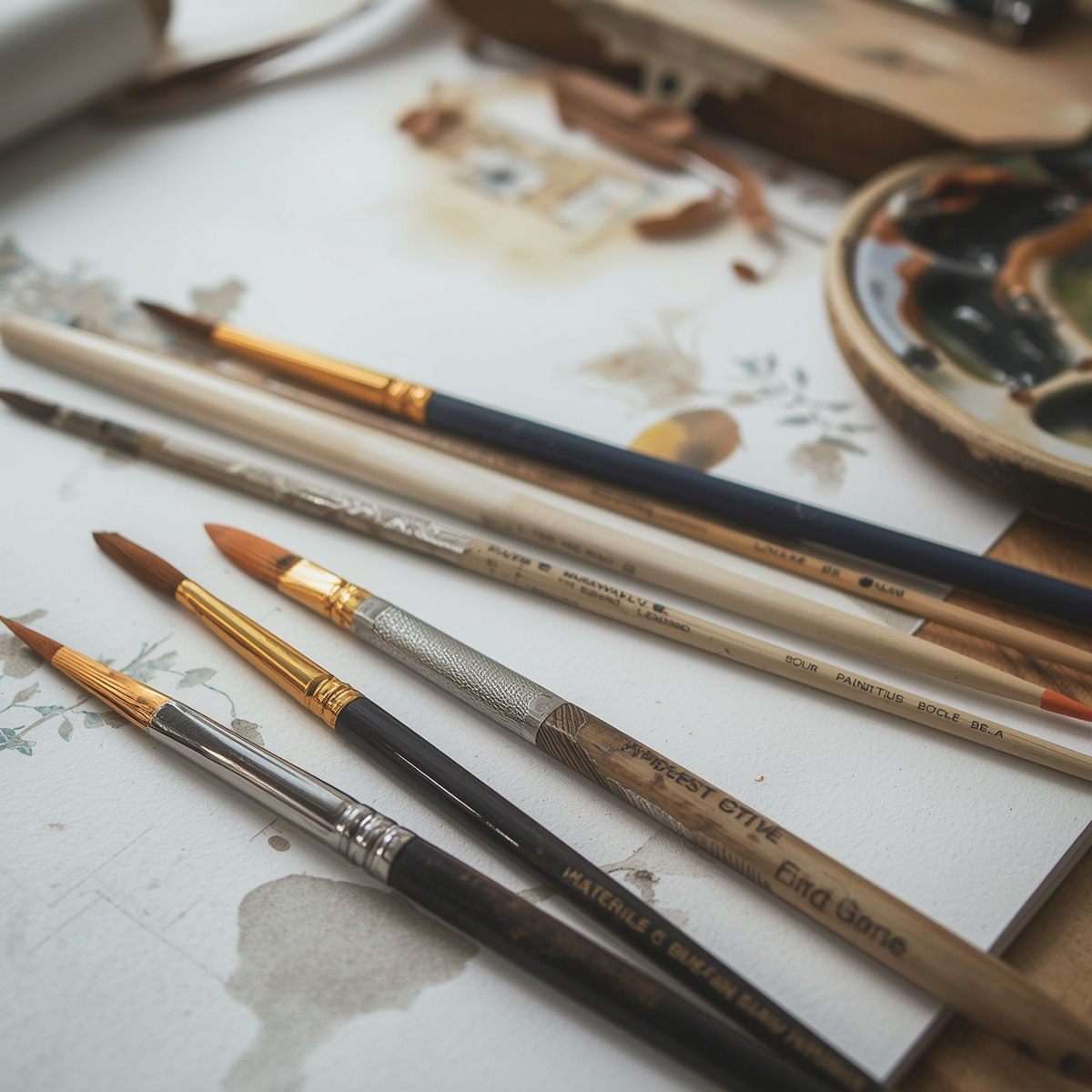
Brushes

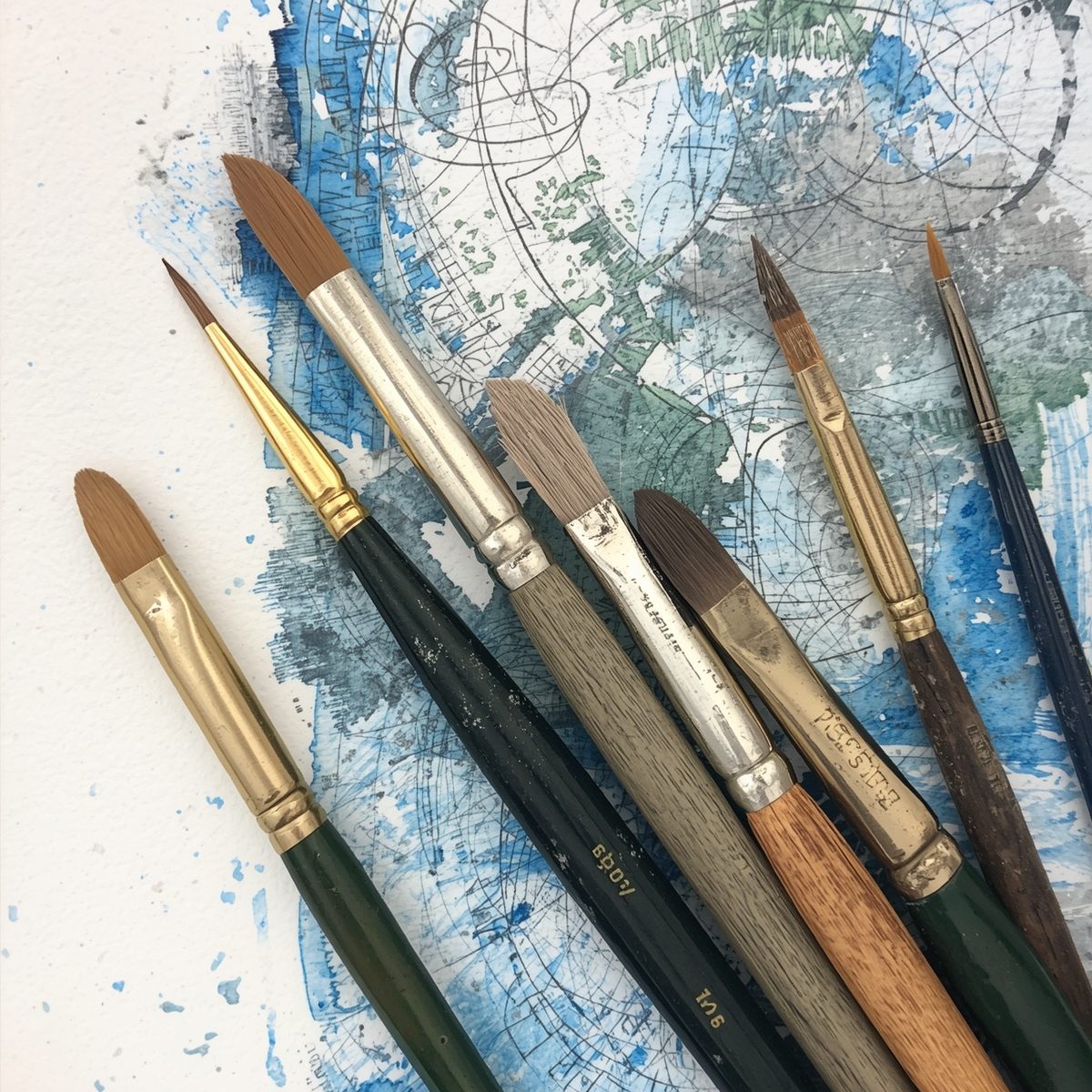
Round, flat, and filbert brushes in various sizes. Natural and synthetic options for different media.

Paints

Watercolor, acrylic, and oil paints. Understanding pigment quality and color selection.

Surfaces

Papers, canvases, and boards. Choosing the right surface for your medium and technique.

Palettes

Wooden, glass, and disposable palettes. Organizing your workspace for efficient mixing.

Easels

Table easels, standing easels, and portable options. Finding what works for your space.

Instructor Approach

Teaching Method

Our instructors are practicing artists who teach from experience. Lessons are structured to build skills progressively, with each exercise building on previous learning. We emphasize observation, practice, and understanding the why behind each technique.

Learning Support

Questions are welcome during live sessions and through written communication. We provide feedback on exercises when requested, focusing on technical understanding and observational skills rather than subjective critique.

Pace and Practice

There is no rush. Lessons are designed to be revisited, and practice exercises can be repeated as many times as needed. Learning to paint is a process that unfolds over time.

Learning Resources

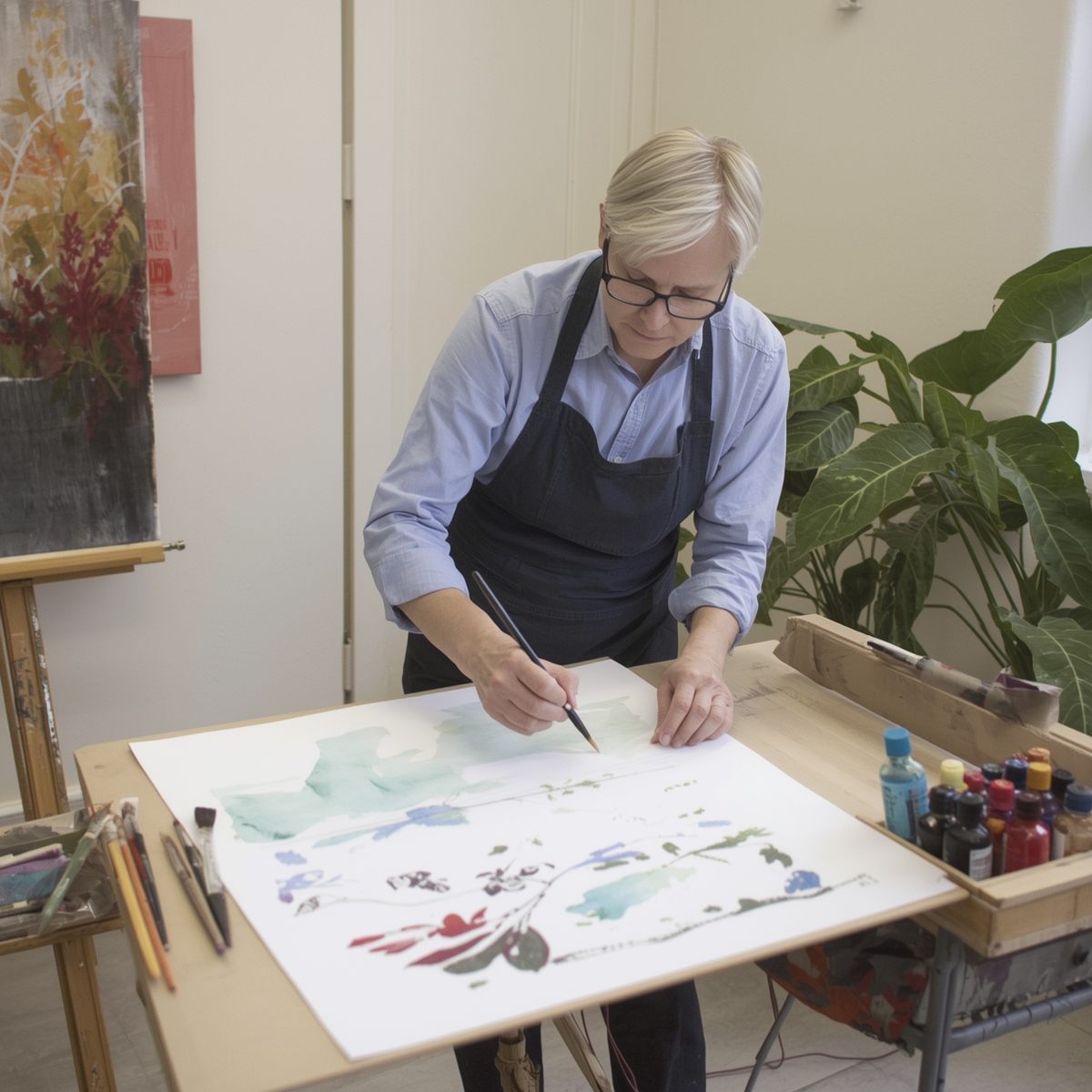
Art studio workspace setup

Comprehensive Material Guides

Each course includes detailed guides on selecting and using materials. Learn which brushes work best for different techniques, how to choose appropriate papers and canvases, and how to care for your tools. These guides help you make informed decisions about your art supplies.

We provide recommendations for both student-grade and artist-grade materials, explaining the differences and when each is appropriate. Understanding your materials is fundamental to developing your painting practice.

Practice Exercises

Observation Studies

Exercises focused on developing your ability to see and understand form, light, and shadow. These fundamental skills support all painting work.

Color Mixing

Practice exercises for understanding color relationships and learning to mix the colors you see. Build confidence with your palette.

Technique Drills

Focused practice on specific techniques like brush handling, paint application, and surface preparation. Repeatable exercises for skill building.

Composition Studies

Learn to arrange elements within your painting space. Exercises in balance, focal points, and visual flow help strengthen your compositions.

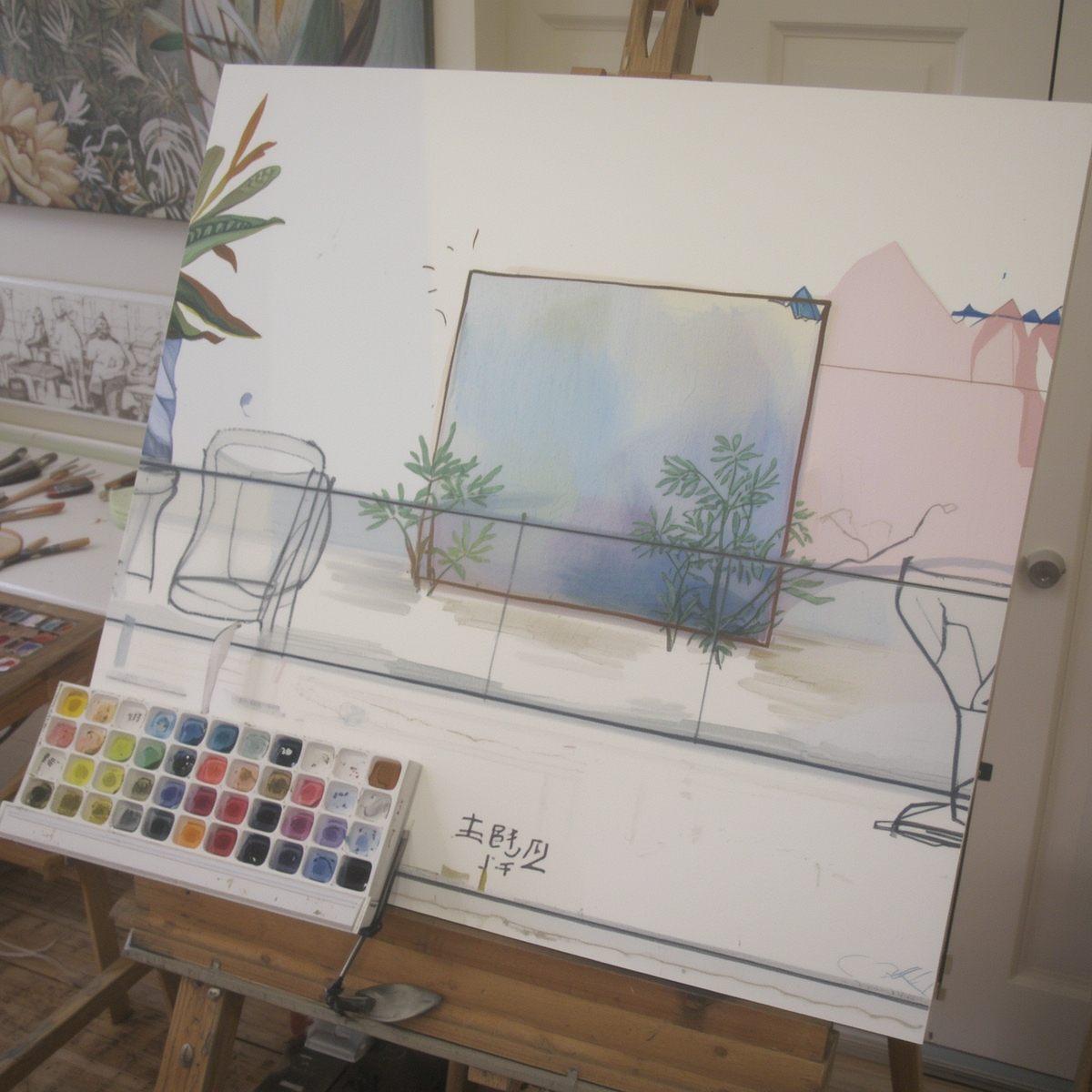
Easel and painting workspace

Questions About Our Approach?

If you would like to learn more about our teaching methods or have questions about materials and preparation, please reach out.

Contact Us