Our instructors are practicing artists who teach from experience. They understand the challenges of learning to paint because they have worked through these challenges themselves. Teaching is approached as a shared exploration of technique and observation, not as a one-way transmission of information.
Instructors specializing in drawing fundamentals focus on observational skills, hand-eye coordination, and understanding form. They teach through demonstration and guided practice, emphasizing the importance of seeing before drawing. Their approach is methodical and patient, recognizing that learning to draw is a gradual process.
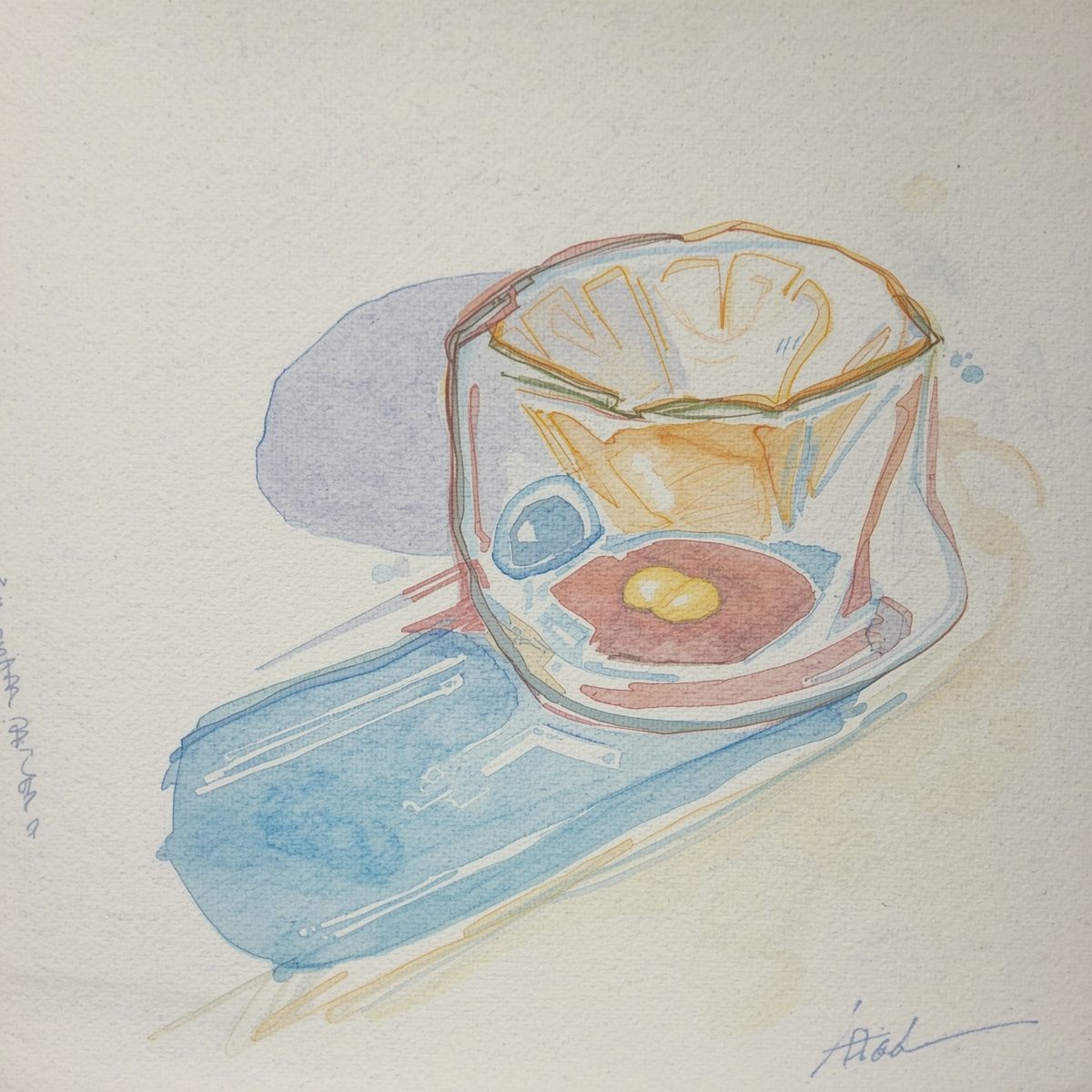
Watercolor instructors have extensive experience with the unique properties of water-based paints. They teach water control, color mixing, and the techniques specific to transparent painting. Their lessons emphasize understanding how water and pigment interact, which is fundamental to successful watercolor work.
Oil painting instructors teach traditional techniques while addressing modern safety practices. They cover brush handling, paint application, and the layering methods that make oil painting distinctive. Their approach includes material knowledge and workspace setup, recognizing that proper preparation supports good painting practice.
Instructors focusing on color theory and composition teach the principles that guide visual organization. They help students understand color relationships, value, and how to arrange elements within a composition. Their teaching combines theory with practical application through exercises and studies.
Instructors with expertise in materials help students understand what to choose and why. They provide guidance on papers, canvases, brushes, and paints, explaining how material quality affects the painting process. Their knowledge comes from years of working with different materials and understanding their properties.
All instructors are available during live sessions to answer questions and provide feedback. They respond to written questions about techniques, materials, and exercises. Feedback focuses on technical understanding and observational skills, helping students see and understand what they are working with.
Instructors demonstrate techniques while explaining the reasoning behind each step. This approach helps you understand not just what to do, but why certain methods are effective. Understanding the principles supports independent problem-solving in your own work.
Demonstrations include common mistakes and how to avoid them, as well as troubleshooting tips for when things don't go as expected. This practical knowledge comes from years of teaching experience.
Feedback focuses on technical understanding and observational skills rather than subjective aesthetic judgments. Instructors help you see what you're working with more clearly and understand how to achieve your intended effects.
Questions are welcomed and encouraged. There are no "dumb questions" in learning to paint—every question represents a step toward better understanding.